Das optimale Audiosystem für Einzelhandelsgeschäfte: Ein Leitfaden für Filialketten
Einzelhandelsgeschäfte investieren stark in das Design. Materialien, Beleuchtung und Raumaufteilung werden akribisch geplant und sorgfältig verwaltet. Der Klang wird anders behandelt: Er wird zuletzt hinzugefügt, lokal verwaltet oder gar nicht beachtet. Das führt zu Inkonsistenzen, und Inkonsistenzen beeinträchtigen das Kundenerlebnis.
Dieser Leitfaden behandelt, was ein kommerzielles Audiosystem für den Einzelhandel tatsächlich leisten muss, die drei gängigsten Systemtypen und was Geschäfte, die den Klang richtig einsetzen, von denen unterscheidet, die es nicht tun.
Warum der Klang die letzte unbeachtete Ebene im Einzelhandel ist
Die meisten Einzelhandelsketten haben nicht ein Audiosystem, sondern viele. Verschiedene Filialen nutzen unterschiedliche Setups, Playlists und Lautstärken. Im Laufe der Zeit führt dies zu einem fragmentierten Erlebnis, nicht nur akustisch, sondern auch in Bezug auf die Markenwahrnehmung. Das Ergebnis ist ein schwächeres Markenerlebnis, mehr Zeitaufwand für die Lösung lokaler Probleme und keine echte Transparenz oder Kontrolle über alle Standorte hinweg. Der Klang wird zu einer lokalen Aufgabe und nicht zu einem Teil des gesamten Ladendesigns.
Was ein Audiosystem für den Einzelhandel leisten muss
Bei einem guten Audiosystem für den Einzelhandel geht es nicht nur um die Klangqualität. Es muss skalierbar sein, und drei Anforderungen stechen dabei hervor.
Konsistenz über alle Standorte hinweg bedeutet, dass sich jedes Geschäft gleich anfühlen sollte. Lautstärke, Abdeckung und die gesamte Atmosphäre sollten aufeinander abgestimmt sein, damit Kunden die Marke erkennen, egal welchen Standort sie besuchen. Zentrale Steuerung bedeutet, dass Einzelhandelsketten Musik, Lautstärke und Zeitpläne in allen Filialen verwalten können müssen, ohne physisch anwesend zu sein, da ohne sie die Konsistenz schnell verloren geht, insbesondere in Ketten mit zehn oder mehr Standorten. Einfache Installation und Bedienung sind wichtig, da sich Einzelhandelsumgebungen ständig ändern. Layouts ändern sich, Geschäfte werden aktualisiert und neue Standorte eröffnet. Ein System, das schwierig zu installieren oder neu zu konfigurieren ist, wird nicht korrekt verwendet. Komplexität ist ein Risiko, keine Funktion.
Die drei Arten von Audiosystemen für den Einzelhandel
Traditionelle kabelgebundene Systeme werden immer noch häufig im großflächigen Einzelhandel eingesetzt. Sie sind stabil und liefern zuverlässigen Klang, aber sie sind komplex zu installieren und schwer zu skalieren. Änderungen an der Lautsprecherplatzierung oder Zonenkonfiguration erfordern eine physische Neuverkabelung, was sie in dynamischen Einzelhandelsumgebungen kostspielig und langsam anpassbar macht. Am besten geeignet für große, dauerhafte Installationen mit festen Layouts und dediziertem AV-Support.
Konsumentensysteme, wie Sonos oder Bluetooth-Lautsprecher, sind im kleineren oder unabhängigen Einzelhandel verbreitet. Sie sind einfach zu bedienen und dem Personal vertraut, aber sie sind nicht für die Verwaltung mehrerer Standorte ausgelegt. Im Laufe der Zeit führt dies zu inkonsistenten Setups, unterschiedlichen Playlists und variierenden Lautstärken in den Filialen, ohne zentrale Überwachung. Am besten geeignet für Geschäfte mit einem einzigen Standort ohne Expansionspläne oder markenweite Audiosteuerung.
Drahtlose kommerzielle Audiosysteme sind eine neuere Kategorie, die speziell für den Einzelhandel und ähnliche Umgebungen entwickelt wurde. Die Installation ist schneller, die Lautsprecherplatzierung flexibel, und Systeme können standortübergreifend ohne umfangreiche Infrastruktur skaliert werden. Die zentrale Steuerung, die über App oder Cloud erfolgt, ermöglicht eine konsistente Zeitplanung und Lautstärkeregelung von überall aus. Am besten geeignet für Einzelhandelsketten, Franchise-Unternehmen und Unternehmen mit mehreren Standorten, die sowohl Flexibilität als auch Kontrolle benötigen.
In diese Kategorie fällt Spottune, und der Unterschied zeigt sich deutlich bei verschiedenen Kettengrößen. Camping Mar, ein einzelnes Restaurant, ließ das System von eigenem Personal installieren, ganz ohne Techniker. River Island testete das Modell zunächst in vier Abteilungen eines Geschäfts und legte es dann als Standard für Neueröffnungen in ganz Großbritannien fest. Rains betreibt jetzt alle 48 Filialen weltweit von einem zentralen Cloud-Dashboard in der Zentrale aus. Keiner der drei musste dafür eine einzige Filiale neu verkabeln.
Wie Spottune hier ins Bild passt
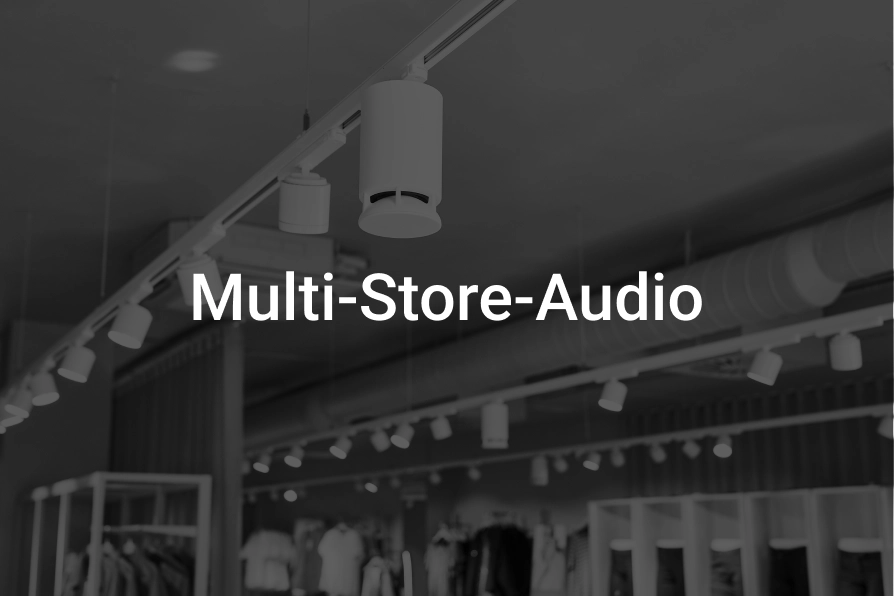
Spottune ist ein drahtloses kommerzielles Audiosystem, das für Einzelhandelsketten und Unternehmen mit mehreren Standorten entwickelt wurde. Es basiert auf drei Prioritäten: gleichmäßige Klangabdeckung durch omnidirektionale 360°-Lautsprecher die bis zu 55 m² pro Einheit abdecken, einfache Plug-and-Play-Installation über bestehende Stromschienensysteme und eine zuverlässige drahtlose Verbindung, die von einer einzelnen Boutique bis zu Tausenden von Quadratmetern skalierbar ist.
Zentrale Steuerung kann bei Bedarf hinzugefügt werden, um Playlists, Zeitpläne und Lautstärke an allen Standorten über eine einzige Oberfläche zu verwalten. Das System funktioniert aber auch lokal ohne Komplexität, was es für den täglichen Einzelhandelsbetrieb praktisch macht. Ziel ist es nicht nur, Musik abzuspielen. Es geht darum, Sound zu einem Teil der Ladeninfrastruktur zu machen.
Was die besten Einzelhandelsgeschäfte anders machen
Einzelhändler, die mit Sound erfolgreich sind, behandeln ihn genauso wie Beleuchtung und visuelles Merchandising, nicht als Zusatz, sondern als Teil des gestalteten Erlebnisses. In der Praxis bedeutet das, ein einziges System an allen Standorten zu verwenden, anstatt Filial-für-Filial-Lösungen, eine zentrale Kontrolle über Playlists, Lautstärke und Zeitplanung aufrechtzuerhalten und Hardware zu wählen, die einfach genug ist, um sie ohne spezialisierte Unterstützung zu installieren und anzupassen.
Bolia ist das deutlichste Beispiel dafür. Früher erhielten die Filialen Musik auf USB-Sticks, wobei es davon abhing, dass ein Filialleiter daran dachte, sie zu laden, abzuspielen und auf Wiederholung zu stellen. Heute aktualisiert die Zentrale jede Filiale von einem einzigen Cloud-Dashboard aus. Filialen, die Sound richtig integrieren, schaffen ein konsistenteres und wiedererkennbareres Erlebnis. Diejenigen, die es nicht tun, wirken fragmentiert, selbst wenn alles andere gut gestaltet ist.
Häufig gestellte Fragen
Was ist das beste Audiosystem für eine Einzelhandelskette? Für den Einzelhandel mit mehreren Standorten ist ein drahtloses kommerzielles Audiosystem mit zentraler Cloud-Steuerung die praktischste Lösung. Es ermöglicht eine konsistente Klangverwaltung in allen Filialen, ohne dass eine physische Präsenz oder spezialisierte AV-Unterstützung an jedem Standort erforderlich ist.
Was ist der Unterschied zwischen einem Consumer-Audiosystem und einem kommerziellen Audiosystem? Consumer-Systeme wie Sonos sind für den Heimgebrauch konzipiert und es fehlt ihnen an Multi-Standort-Management, Zeitplanung und der Langlebigkeit, die für den ganztägigen kommerziellen Betrieb erforderlich ist. Kommerzielle Systeme sind für den Dauereinsatz, die zentrale Steuerung und die Skalierbarkeit über mehrere Standorte hinweg ausgelegt.
Wie verwalte ich Musik in mehreren Einzelhandelsgeschäften? Ein cloudbasiertes kommerzielles Audiosystem ermöglicht die Steuerung von Wiedergabelisten, Lautstärkepegeln und Zeitplänen an allen Standorten über eine einzige Benutzeroberfläche, ohne jede Filiale besuchen zu müssen, dasselbe Modell Rains in 48 Filialen einsetzt.
Kann ich ein Audiosystem für den Einzelhandel ohne Neuverkabelung des Geschäfts installieren? Ja. Kabellose kommerzielle Audiosysteme wie Spottune werden über die bestehende Stromschieneninfrastruktur installiert, benötigen keine zusätzliche Verkabelung, und Lautsprecher können bei Layoutänderungen neu positioniert werden.
Zusammenfassung
Der Einzelhandel wird zunehmend erlebnisorientiert. Visuelles Design ist bereits gut entwickelt. Audio ist die nächste Ebene, und die meisten Ketten haben sich damit noch nicht systematisch befasst. Filialen, die es richtig angehen, behandeln Audio genauso wie Beleuchtung: als Infrastruktur, nicht als nachträglichen Einfall. Das bedeutet ein einziges, konsistentes System, zentrale Steuerung und Hardware, die einfach genug ist, um im realen Einzelhandelsbetrieb zu funktionieren.
Siehe die vollständige Fallstudienbibliothek für weitere Beispiele, oder nutzen Sie den Projektkalkulator um abzuschätzen, wie das für Ihre eigene Kette aussieht.